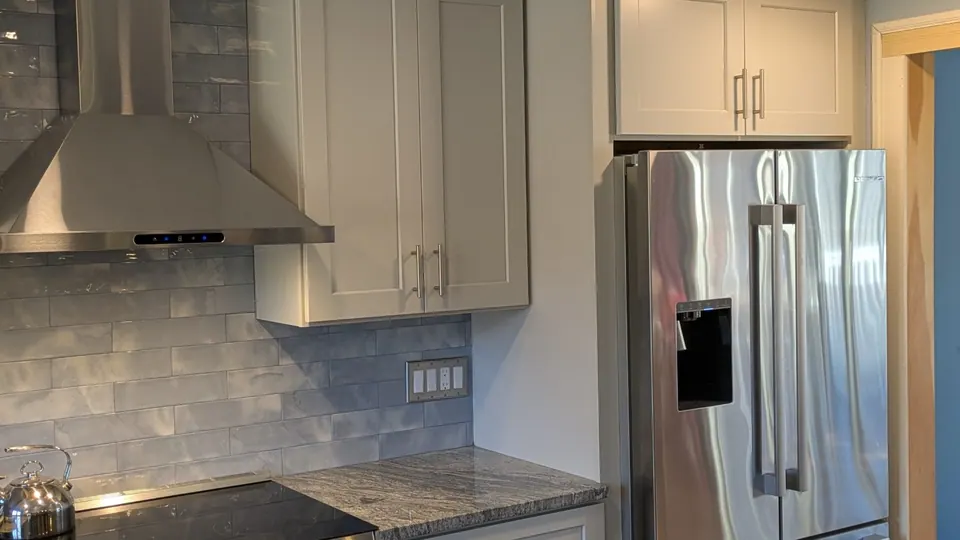
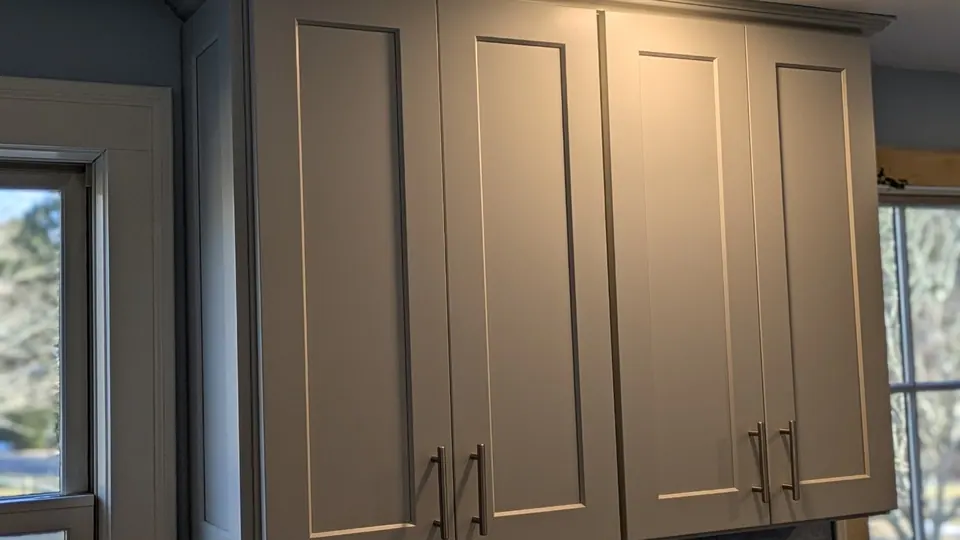
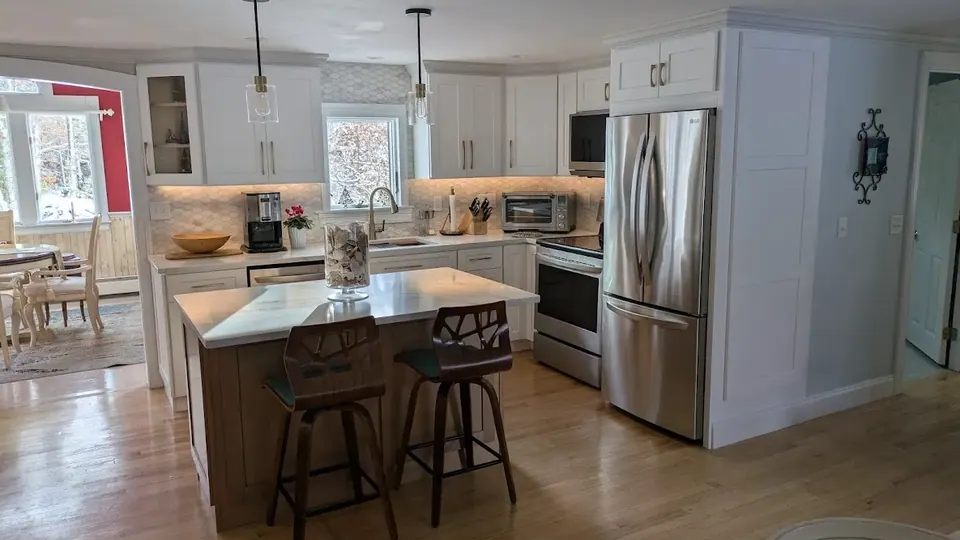
Ready to Assemble Cabinets Cape Cod: The Complete 2026 Installation Guide
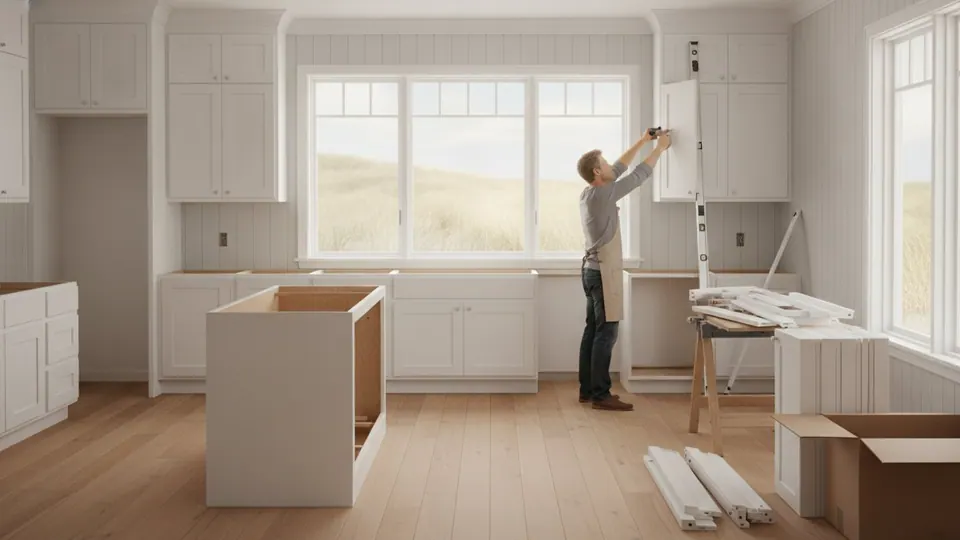
Why pay for a custom label when the real secret to a stunning coastal kitchen lies in how your cabinets are built and fitted? We understand the hesitation many homeowners feel when considering ready-to-assemble options. You’re likely worried that “affordable” might mean “cheap quality” that won’t survive the salty Cape air, or you’re anxious about leveling new boxes against the charmingly crooked walls of an older home. When it comes to RTA cabinet installation Cape Cod residents deserve a solution that pairs long-term durability with that sophisticated, light-filled aesthetic we all love.
You can actually achieve a magazine-worthy look that stands up to coastal humidity without the custom price tag. This guide will show you how to navigate the process with confidence. We’ll cover everything from selecting warp-resistant Shaker styles to understanding the 2026 Massachusetts building codes and permit timelines. Whether you’re planning a full remodel or a focused upgrade, you’ll gain a clear path toward a beautiful, functional kitchen that increases your property value and stands the test of time.
What are Ready to Assemble (RTA) Cabinets?
Ready-to-assemble cabinets are high-quality cabinetry components shipped flat-packed in compact boxes for on-site assembly. While the concept of Ready-to-assemble (RTA) furniture has been around for decades, the industry has undergone a massive shift recently. We’ve moved far beyond the flimsy, “disposable” units of the past. Today’s premium RTA options feature all-wood construction, including solid wood frames and high-density plywood boxes. For RTA cabinet installation Cape Cod projects, these materials are essential to withstand the salty, humid air of our coastal environment.
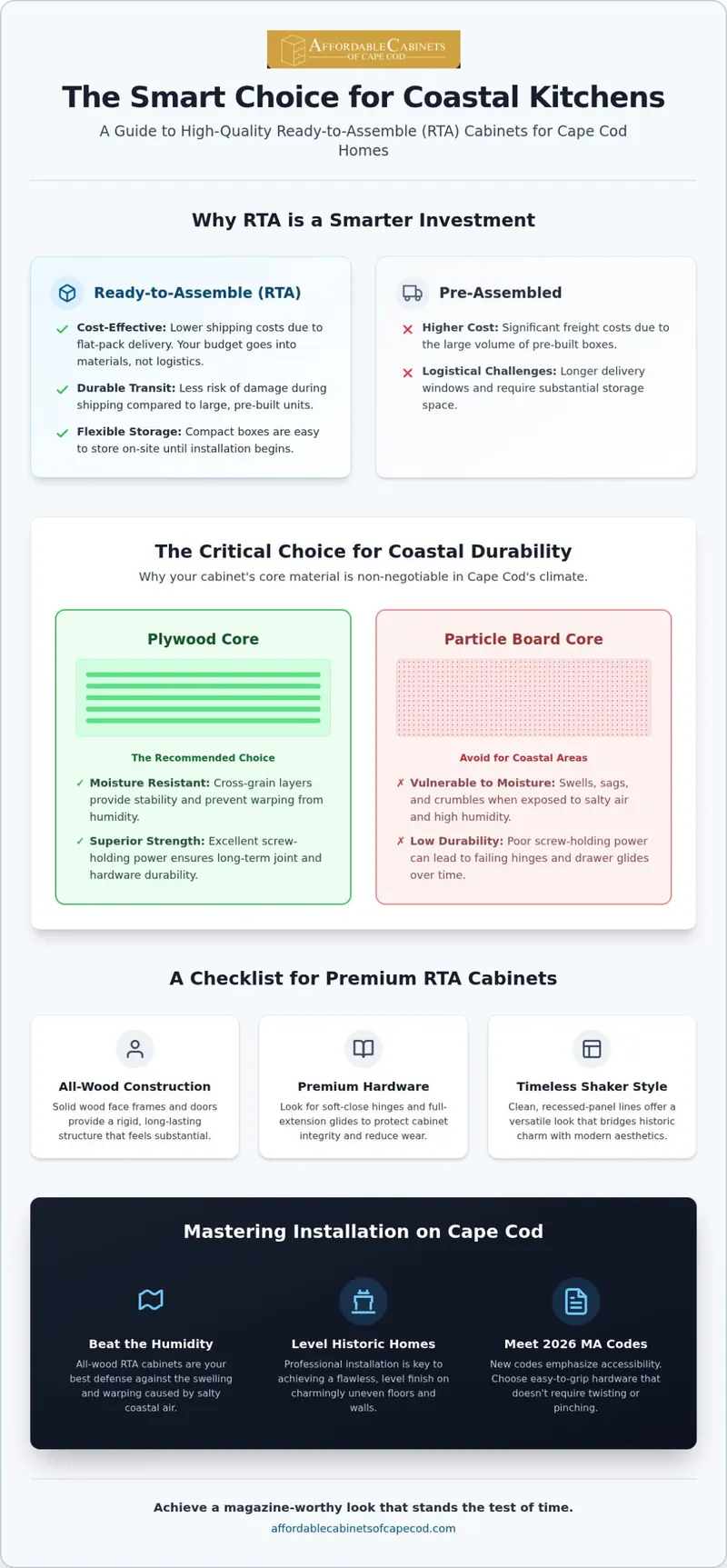
Cape Cod homeowners are increasingly choosing RTA for 2026 renovations because it strikes a perfect balance between luxury and logic. You get the warmth and organic beauty of natural wood, which is a major trend this year, without the six-month wait times associated with fully custom shops. By shipping the cabinets flat, manufacturers significantly reduce shipping costs and the risk of transit damage. You’re effectively investing your budget into the materials themselves rather than the logistics of moving air-filled boxes across the country.
RTA vs. Pre-Assembled Cabinets
Pre-assembled units take up massive space on a truck, leading to higher freight costs and longer delivery windows. RTA cabinets arrive in manageable boxes that are easier to store in a garage or spare room until your project begins. This flexibility is a huge advantage during a renovation. Modern RTA systems use high-grade cam-locks or traditional dovetail joints. These aren’t just easy to put together; they create a rigid, square box that rivals pre-built units in strength. Using a professional for your RTA cabinet installation Cape Cod ensures that these precision-fit components are leveled and secured correctly even in older homes with settled foundations.
Why Affordability Doesn’t Mean ‘Cheap’
The RTA model eliminates high-end showroom markups and middleman fees. You aren’t paying for a designer’s expensive storefront or the overhead of a massive warehouse. Instead, you’re buying directly into the quality of the wood and the precision of the manufacturing. Computer-controlled machinery ensures every piece fits together with tight tolerances. This level of accuracy is vital when you’re dealing with the uneven floors and walls often found in our historic Cape homes. RTA cabinets serve as a professional-grade solution for coastal kitchens, offering the resilience of all-wood construction alongside a sophisticated, high-end finish.
Evaluating Quality: What to Look for in RTA Cabinetry
Choosing the right materials is the most critical step in ensuring your kitchen survives the Cape’s unique climate. While some big-box retailers push particle board, we always recommend all-wood construction for local projects. Salt air and high seasonal humidity can cause inferior materials to swell or crumble over time. High-quality RTA options should feature solid wood face frames and doors. For a successful RTA cabinet installation Cape Cod residents should look for cabinets that feel substantial and rigid right out of the box, ensuring they can handle the weight of heavy stone countertops.
Beyond the wood itself, pay attention to the hardware. Premium RTA cabinetry includes features like soft-close hinges and full-extension under-mount drawer glides. These aren’t just luxury add-ons; they protect the structural integrity of the cabinet by preventing slamming and reducing wear on the joints. In 2026, quality markers also include compliance with local accessibility standards. The Massachusetts building code now emphasizes hardware that doesn’t require twisting or pinching to operate, making easy-to-grip pulls a smart choice for both style and functionality.
Plywood vs. Particle Board Cores
In coastal towns like Falmouth and Bourne, moisture resistance isn’t optional. Plywood is the superior choice because it’s made of thin layers of wood glued together in a cross-grain pattern. This structure provides incredible stability and prevents warping when the humidity spikes in July. It also offers superior screw-holding power, which is vital for long-term durability in a busy home. If you’re comparing materials, our Best Affordable Kitchen Cabinets for Cape Cod: Guide offers a deeper dive into why plywood wins every time in our local climate.
The Timeless Appeal of Shaker Style
It’s no surprise that Shaker style cabinets Cape Cod remain the gold standard for 2026 renovations. Their clean, recessed-panel lines bridge the gap between historic charm and modern sophistication. While crisp white remains a favorite, current trends are shifting toward warmer, organic tones. Think coastal blues, soft greys, and natural wood finishes that reflect the Cape’s landscape. These colors add depth without making a small kitchen feel cramped, especially when paired with the right lighting.
You can further customize your RTA Shaker units with local hardware choices like brushed brass or matte black pulls. This allows you to create a high-end, bespoke look while keeping your budget focused on quality materials. If you’re ready to see how these styles fit your home, we can help you design and measure your space to ensure a perfect fit from the start. High-quality finishes, such as durable paints and stains that resist fading in sun-drenched breakfast nooks, will keep your kitchen looking fresh for years to come.
The RTA Cabinet Installation Process: A Step-by-Step Overview
Installing your own cabinetry can be a rewarding project that significantly lowers your renovation costs. However, a successful outcome depends entirely on your preparation and the order of operations. Before you open a single box, you need to stage your workspace. Clear out the kitchen completely and organize your flat-packs by cabinet type. This prevents the frustration of searching for a specific base unit while you’re in the middle of a delicate hanging process. For a professional-grade RTA cabinet installation Cape Cod homeowners should gather essential tools early, including a 4-foot laser level, a stud finder, shims, and high-quality cabinet screws.
Phase 1: Preparation and Measurement
Precise measurement is the bedrock of any kitchen remodel. You must check for level floors and plumb walls, which is a common challenge in our historic Cape Cod homes where foundations have settled over decades. Start by finding the “high point” of your floor and marking a level line around the room at the standard base cabinet height. Locating and marking every wall stud before you begin will save you from making unnecessary holes later. If you find the planning phase overwhelming, utilizing professional kitchen design services Cape Cod can ensure your measurements are accurate before you place your order.
Phase 2: Assembly and Hanging
Assembly is generally straightforward with modern cam-lock or dovetail systems, but hanging the units requires a steady hand. We recommend starting with the wall cabinets first. This prevents you from having to reach over the base units while lifting heavy boxes. Secure each cabinet to the studs, but don’t tighten the screws completely until the entire run is level and flush. Use clamps to hold cabinet faces together for a seamless join before driving screws through the face frames. Don’t forget to account for fillers and trim pieces, which bridge the small gaps between your cabinets and the walls for a truly custom, built-in look.
Phase 3: Finishing Touches
Once the boxes are securely mounted, you can begin the detailed work of installing doors and drawer fronts. Use the adjustable hinges to ensure every line is perfectly horizontal and vertical. This is also the time to install toe kicks and crown molding, which hide the shims and gaps that naturally occur during leveling. For a high-quality RTA cabinet installation Cape Cod projects demand a level of patience during this final alignment phase. The precision you bring to the final 5% of adjustments, such as micro-aligning door hinges and scribing trim, is what ultimately transforms a collection of boxes into a seamless, high-end kitchen.
Cape Cod Coastal Challenges: Why Installation Matters Locally
Living on the Cape means dealing with a beautiful but demanding environment. The salt air and shifting humidity levels aren’t just weather patterns; they’re active forces that impact every piece of wood in your home. When you’re planning an RTA cabinet installation Cape Cod homeowners have to think beyond the basic assembly instructions. You’re building for a landscape where the air itself can cause materials to expand and contract significantly throughout the year, which can put immense stress on cabinet joints if they aren’t fitted with precision.
Humidity and Material Choice
Before you begin the installation, you must allow your cabinet components to acclimate to your home’s specific environment for at least 48 to 72 hours. This is especially vital for seasonal homes in towns like Dennis or Hyannis that might not be climate-controlled year-round. Proper gap management during the hanging process ensures that when the wood expands in July, your doors won’t bind or stick. This attention to detail is equally important in smaller spaces, which is why we often recommend moisture-resistant Shaker style bathroom vanities for coastal baths that experience high steam and salt exposure.
Architectural Integrity in Older Homes
Many of our local projects take place in classic cottages where “level” is a relative term. Settled foundations and wonky corners are part of the Cape’s charm, but they make standard installation tricky. Scribing, the process of custom-fitting a cabinet’s edge to the exact curve of an uneven wall, is a necessary skill here. In older lath-and-plaster constructions, you may also need to reinforce wall supports to ensure your new cabinetry remains secure for decades. Balancing modern RTA functionality with this traditional aesthetic requires a neighborly touch and a deep respect for the home’s history.
If you’re preparing a property for the summer rental market, timeline management is everything. We understand the pressure of having a kitchen fully functional before the June rush. Coordination is key to avoiding delays that could cost you a season of bookings. If you’re feeling overwhelmed by the technical requirements of coastal prep, you can request a professional measurement and consultation to ensure your project stays on track and stands up to the elements for years to come.
Professional RTA Installation: Balancing Budget with Expert Results
Deciding between a DIY approach and hiring a professional often comes down to the complexity of your specific space and your comfort with precision tools. While the assembly of individual units is manageable for many homeowners, the actual installation—leveling, scribing, and securing—requires a level of accuracy that determines the lifespan of your kitchen. Professional RTA cabinet installation Cape Cod ensures your investment is protected from the start. Many manufacturers’ warranties are conditional on correct installation; a professional knows how to handle the “wonky” corners and settled floors typical of our local architecture without compromising the cabinet’s structural integrity.
Choosing a professional path doesn’t mean you lose the cost-saving benefits of the RTA model. Instead, it means you’re redirecting those savings into expert labor that guarantees a high-end finish. A seasoned installer can spot potential issues with plumbing or electrical clearances before the cabinets are even on the wall, saving you from costly mid-project corrections. This proactive approach is what transforms a collection of flat-packed boxes into a seamless, custom-looking kitchen that stands up to years of daily use.
The Benefits of Bundled Services
One of the biggest hurdles in any renovation is the gap between different trades. By choosing a partner who offers bundled services, you can integrate your flooring installation directly into the cabinet layout. This ensures a seamless transition and prevents the common mistake of trapped appliances or uneven toe kicks. Adding professional interior painting to the mix allows for a complete transformation where the wall colors perfectly complement your new Shaker cabinets. Streamlining this project management means you don’t have to spend your weekends playing “phone tag” with three different contractors; you have a single, neighborly point of contact for the entire transformation.
Getting Started with a Local Consultation
Your journey toward a new kitchen begins with a neighborly dialogue. When you visit us in Mashpee for a design meeting, bringing basic room dimensions and a few “inspiration” photos helps us guide you toward the right materials. We’ll help you navigate the RTA selection process, focusing on the all-wood construction and moisture-resistant finishes that we’ve identified as essential for coastal homes. Our roadmap is designed to be transparent and steady, moving from precise measurement to the final walkthrough.
At Affordable Cabinets of Cape Cod, we pride ourselves on being skilled guides who listen to your vision and adapt our technical expertise to fit your home’s unique needs. This collaborative approach ensures that your beautiful, functional kitchen increases your property value and provides long-term satisfaction for your family. By the time we reach the final walkthrough, you’ll have the confidence that every door is perfectly aligned and every cabinet is secured to last a lifetime in our unique coastal environment.
Start Your Coastal Kitchen Transformation
Achieving a high-end coastal look doesn’t require a custom price tag, but it does require a focus on quality and local expertise. By choosing all-wood construction, you’re investing in materials that can actually handle the unique humidity and salt air of our region. We’ve seen how the right Shaker style can bridge the gap between historic charm and modern functionality, provided the fitting is handled with precision. Whether you’re dealing with the wonky corners of a classic cottage or looking for a sleek update in a newer home, a professional RTA cabinet installation Cape Cod ensures your kitchen looks magazine-worthy and stays that way for years.
As a locally owned and operated business, we take pride in being your skilled guide through every measurement and design choice. We offer high-quality all-wood RTA options and expert installation across the entire Cape, from Mashpee to Brewster. If you’re ready to see how beautiful and functional your new space can be, we’re here to help you every step of the way. Schedule your Cape Cod kitchen consultation today and let’s build something you’ll love coming home to. Your dream kitchen is closer than you think.
Frequently Asked Questions
Is RTA cabinet installation difficult for a beginner?
Assembling the boxes is usually straightforward for a beginner, but the actual RTA cabinet installation Cape Cod residents face can be tricky due to settled foundations. While modern cam-lock systems make the build phase easy, hanging and leveling cabinets against uneven walls requires precision. If you’re comfortable with a laser level and shims, you can manage the basics. However, complex layouts often benefit from a professional’s touch to ensure everything remains flush and secure.
How much can I save by choosing RTA cabinets on Cape Cod?
Choosing RTA options allows you to bypass the high markups found in traditional showrooms. You typically save a substantial portion of your budget by handling the assembly yourself or hiring local installers who don’t have the overhead of custom cabinet shops. These savings can then be reinvested into premium materials like all-wood Shaker styles or high-end flooring and interior painting to complete your kitchen’s coastal transformation without sacrificing quality or style.
Are RTA cabinets durable enough for a high-traffic coastal kitchen?
Modern RTA cabinets are exceptionally durable, provided you select all-wood construction rather than particle board. Our Cape Cod climate demands materials that resist warping from salt air and seasonal humidity. High-quality plywood boxes and solid wood frames are built to withstand the rigors of a high-traffic kitchen. When properly assembled and secured, these cabinets offer the same structural integrity and longevity as pre-assembled units found in luxury homes across the region.
Do RTA cabinets come with a warranty if I install them myself?
Most RTA manufacturers provide a warranty on materials and finishes, but these often don’t cover damage caused by incorrect assembly or poor installation. It’s vital to follow the instructions precisely to protect your investment. If you’re concerned about maintaining the full protection of your warranty, hiring a professional for your RTA cabinet installation Cape Cod ensures that the work meets industry standards and avoids common pitfalls that could void your manufacturer coverage.
How long does the typical RTA cabinet installation take?
For a standard kitchen, the assembly phase usually takes one to two days, while the actual installation and leveling can take another two to three days. This timeline can vary depending on the complexity of your layout and the condition of your walls. If you’re coordinating with other services like flooring installation or interior painting, a professional team can often streamline the process to get your kitchen fully functional in about a week.
Can RTA cabinets be used for bathroom vanities in humid environments?
RTA cabinets are an excellent choice for bathroom vanities, especially when they feature the moisture-resistant properties of all-wood construction. In the humid environments typical of Cape Cod bathrooms, plywood cores are much less likely to swell or degrade than particle board alternatives. Choosing a Shaker-style vanity with a durable finish ensures that your bathroom remains both beautiful and functional despite the constant exposure to steam and our local salt air.
What tools do I need for a DIY RTA cabinet installation?
A successful installation requires a specific set of tools to ensure professional results. You’ll need a 4-foot laser level, a tape measure, a cordless drill, and a stud finder to locate wall supports. Additionally, gather clamps to hold cabinet faces together during joining, wood shims for leveling on uneven floors, and cabinet-specific screws for secure mounting. Having these ready before you begin prevents mid-project delays and ensures your cabinets are hung safely and securely.